

- Research & Evidence Building
- Programme Implementation
- Policy Advocacy
- Incubation
What We Do
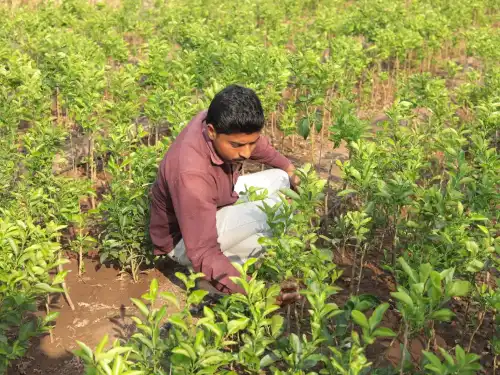
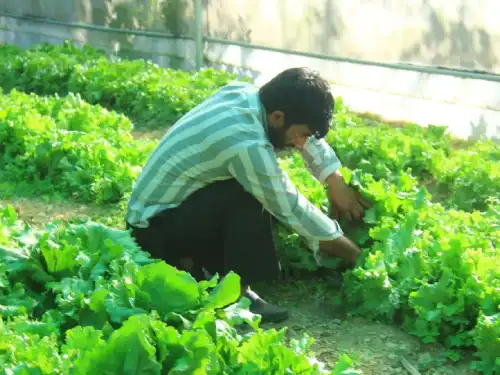
Agriculture & Livelihoods
Capacity Building - Demonstration - Research - Farming as Enterprise

Geographies
Tamil Nadu, Karnataka, Andhra Pradesh, Maharashtra, Madhya Pradesh, Rajasthan, Haryana, Uttar Pradesh, West Bengal, Jharkhand, Odisha.

Coverage
1,03,411 Farmers
145 FPOs
501 Entrepreneur

Duration
2015-22
Impact Factor
- Over 48,500 farmers have been trained between 2015-2019
- Over 60% farmers have shown interest in adopting to mobile and internet banking system.
- About 90% of the farmers were trained on importance of regular savings, investments, credit opportunities and insurance (crop insurance and others).
- Capacity Building of Civil Society Organisations (CSOs) / Social Enterprise in digital marketing & finance modalities
- Fund Raise for CSOs / Social Enterprise for sustainability
Unique Factor
Behavioural change communication and orientation of Farms as Enterprises / Businesses
Gender Equality
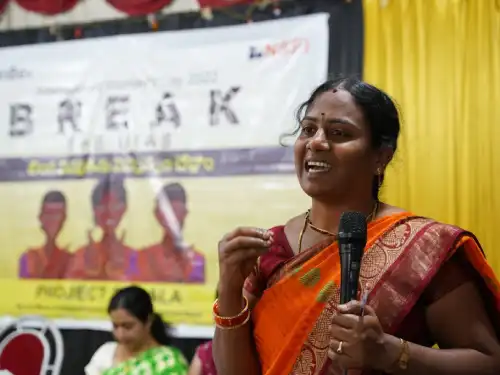
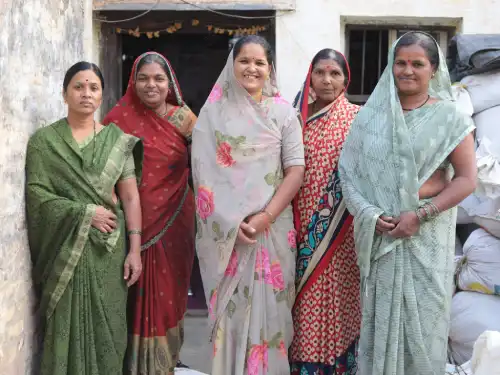
Economic Empowerment of Women Towards Equality and Justice
Geographies
Himachal Pradesh, National Capital Region, Telangana, Haryana, Karnataka, Gujarat
Coverage
3166 Women Beneficiaries
Duration
2018-Present
Impact Factor
The journey that started in 2018 has touched the lives of more than 3000 women directly and is still continuing. With a specific focus on sustainability of interventions, NSFI works on various approaches that sustain the impact and take it to scale with or without external support.
Unique Factor
Focus beyond capacity building and seed funding towards mentoring & business viability and its sustenance.
Climate Action
Farmer Plot to Policy: Action for evidence - policy for impact - action at scale
Geographies
Himachal Pradesh, Rajasthan, Haryana, Regional & National Level
Coverage
72,502 Farmers
Duration
2015-22
Impact Factor
Over the last 7 years, NSFI has promoted Climate Resilient Technologies in Sugarcane, Mango, Vegetables and various other food grains (wheat, paddy, maize etc.,) through demonstrations and capacity building efforts. Further, NSFI brought together 473 innovators, 279 Policy Makers and worked in more than 70,000 farmers.
Unique Factor
Focus on relevance, appropriateness, frugality for the end user to enable adoption and benefit accrual.
Incubation & Entrepreneurship Development
Partnerships - Ideation - Incubation - Sustenance
Geographies
National
Coverage
Organisations & Individuals
Duration
2015-22
Impact Factor
NSFI acknowledges the contribution of the collaborating and grant making partners of mentioned interventions for the impact the organisations have been creating. Further, various partners and teams of these organisation, their collaborators paved the way for creating a positive impact by www.asci-india.org; www.skillgreenglobal.com.
Unique Factor
Impact sustenance beyond project geographies and timelines is the priority area from day 1 of the project.
Digital & Financial Literacy / Inclusion
Geographies
Haryana & Rajasthan; Tamil Nadu, Karnataka, Andhra Pradesh; National Outreach
Coverage
48,100 Farmers / Rural Entrepreneurs, 81 Social Enterprises
Duration
2015 - Present
Impact Factor
NSFI target groups include farmers, agri entrepreneurs offering various goods & services in agri value chains, farmers institutions cooperatives and farmer producer organisations. NSFI through its own staff and partners’ has contributed to agriculture and livelihoods across the length and breadth of the country with more than 1 Lakh farmers, more than 100 FPOs and more than 500 entrepreneurs.
Unique Factor
Life-cycle approach imparting application skills for modern communication media & channels.


How

Research & Evidence Building
Research and Evidence Building form the corner stones of NSFI's focus on scaling up sustainable Impact.

Programme Implementation
A deed is better than 1000 words. NSFI drives change, builds evidences towards knowledge and models for scale.

Policy Advocacy
Alone we can do so little; Together we can do so much. NSFI delivers impact and buids evidences for advocacy.

Incubation
We believe in decentralised multi-pronged innovations for frugal & contextual impact. Thus social enterprises are incubated.
Sectors NSFI operates in

Agri and Allied Sectors

Renewable Energy & Environment

Water & Sanitation

Non-Farm Livelihood
NSFI’s functional alignment with Schedule VII of The Companies Act 2013
Activities Schedule VII of The Companies Act 2013
Activities Schedule VII of The Companies Act 2013
Eradicating hunger and poverty
Promoting employment by enhancing vocational skills among women, and livelihood enhancement projects.
Promoting gender equality, empowering women and measures for reducing inequalities faced by socially and economically backward groups.
Ensuring environmental sustainability, ecological balance, protection of flora and fauna, animal welfare, agroforestry, conservation of natural resources
Promoting Sustainable Development Goals (SDGs)
Contribution to incubators or research and development projects in the field of science, and technology
Promotion and development of traditional arts and handicrafts engaged in conducting research
Rural development projects